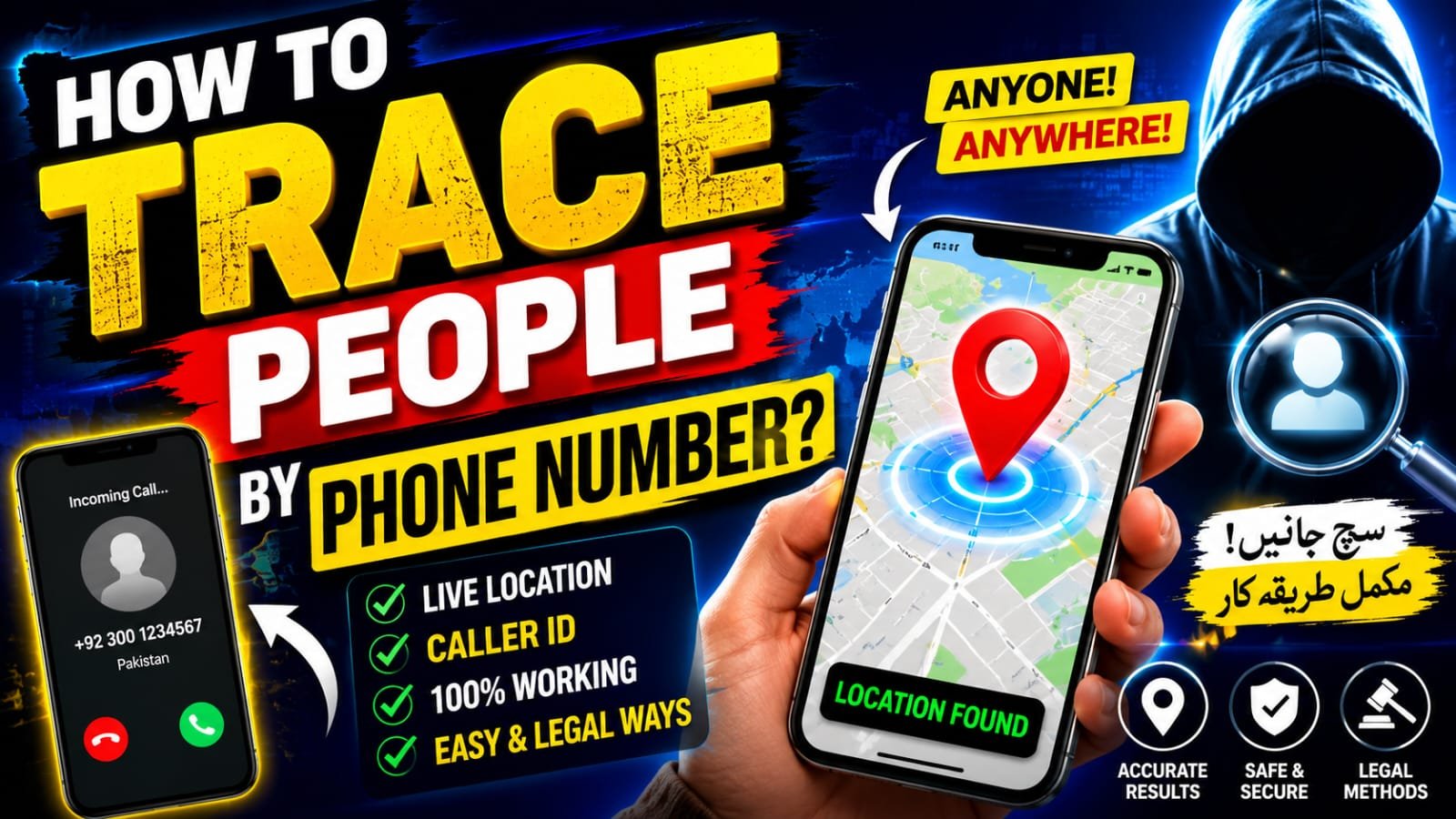
Track someone mobile, In today’s connected world, knowing the location of a loved one can provide peace of mind and improve safety. Whether you’re a parent checking on your child’s whereabouts, coordinating with family members during travel, or locating a lost device, mobile tracking technology has become more accessible than ever.
However, it’s important to understand that tracking someone’s mobile phone should always be done with their knowledge and consent. Unauthorized tracking may violate privacy laws and ethical standards. In this guide, we’ll explore the most effective and legal ways to track a mobile device while respecting privacy.
Why People Track Someone Mobile Devices
Mobile tracking serves many legitimate purposes, including:
- Keeping family members safe
- Locating lost or stolen phones
- Coordinating meetups with friends
- Monitoring elderly relatives who may need assistance
- Managing company-owned devices
Modern smartphones use GPS, Wi-Fi networks, and cellular signals to provide highly accurate location information, often within a few meters.
How Mobile Tracking Works
Before exploring the available methods, it’s helpful to understand the technology behind mobile tracking.
GPS Tracking
Global Positioning System (GPS) satellites communicate with smartphones to determine their exact location. GPS is one of the most accurate tracking methods available.
Wi-Fi Positioning
When GPS signals are weak, such as indoors, smartphones can estimate their location using nearby Wi-Fi networks.
Cellular Network Tracking
Mobile carriers can approximate a device’s location based on nearby cell towers. While less accurate than GPS, it can still provide useful location information.
Best Ways to Track Someone’s Mobile Device Legally
Use Family Sharing Features
Most smartphones include built-in location-sharing tools.
For iPhone Users
Apple’s Find My app allows family members and friends to share their location in real time. Users can choose who can see their location and can stop sharing at any time.
Benefits include:
- Real-time location updates
- Device tracking
- Location notifications
- Easy setup
For Android Users
Google’s location-sharing feature within Google Maps enables users to share their live location with selected contacts.
Features include:
- Temporary or permanent location sharing
- Battery status visibility
- Turn-by-turn location updates
Use Family Safety Apps
Several reputable apps are designed specifically for family location sharing.
Popular features often include:
- Live GPS tracking
- Location history
- Geofencing alerts
- Emergency notifications
For example, parents may receive a notification when a child arrives at school or returns home safely.
Track a Lost Device
If the goal is finding a missing phone, built-in device recovery tools are often the best option.
For iPhones:
- Enable Find My iPhone
- Sign in to the associated account
- View the device location on a map
For Android devices:
- Use Find My Device
- Sign in with the linked Google account
- Locate, lock, or erase the device remotely
Important Privacy and Legal Considerations
Always Obtain Consent
The most important rule is simple: never track someone’s mobile phone without their permission.
In many countries, unauthorized tracking can lead to serious legal consequences. Transparency builds trust and ensures compliance with privacy laws.
Respect Personal Boundaries
Even when tracking is permitted, avoid excessive monitoring. Use location sharing for safety, coordination, or device management rather than constant surveillance.
Protect Shared Data
Location information is sensitive. Use strong passwords, enable two-factor authentication, and only share access with trusted individuals.
Tips for Effective Mobile Tracking
To improve accuracy and reliability:
Keep GPS Enabled
Location services should remain active on the device being tracked.
Maintain Internet Connectivity
Most tracking apps require either mobile data or Wi-Fi access to transmit location information.
Update Apps Regularly
Keeping tracking apps updated ensures better performance, improved security, and access to new features.
Monitor Battery Life
GPS tracking can consume battery power. Encourage users to keep their devices charged, especially during travel.
Common Mistakes to Avoid
Many users encounter problems because of simple oversights.
Avoid these common mistakes:
- Tracking without consent
- Disabling location services
- Ignoring app permissions
- Using unverified third-party tracking software
- Sharing account credentials insecurely
Choosing trusted platforms helps protect both privacy and security.
The Future of Mobile Tracking
Mobile tracking technology continues to evolve. New advancements in artificial intelligence, emergency response systems, and location accuracy are making tracking tools more useful and reliable than ever.
Future innovations may include enhanced indoor navigation, smarter safety alerts, and more privacy-focused location-sharing controls.
Conclusion
Tracking someone’s mobile device can be incredibly useful for family safety, travel coordination, and recovering lost phones. The key is to use legitimate tools, obtain proper consent, and respect privacy at all times.
By relying on trusted smartphone features and reputable family-sharing applications, you can enjoy the benefits of mobile tracking while maintaining security, transparency, and peace of mind.